
Experience Spain As A Language And Culture Assistant

In 2021, I took a chance and applied to become a Language and Culture Assistant in Spain through the North American Language and Culture Assistant Program, NALCAP. I had always dreamed of teaching English in a Spanish-speaking country, and despite the challenges of the application process, I was determined to make it happen.
What is NALCAP anyway?
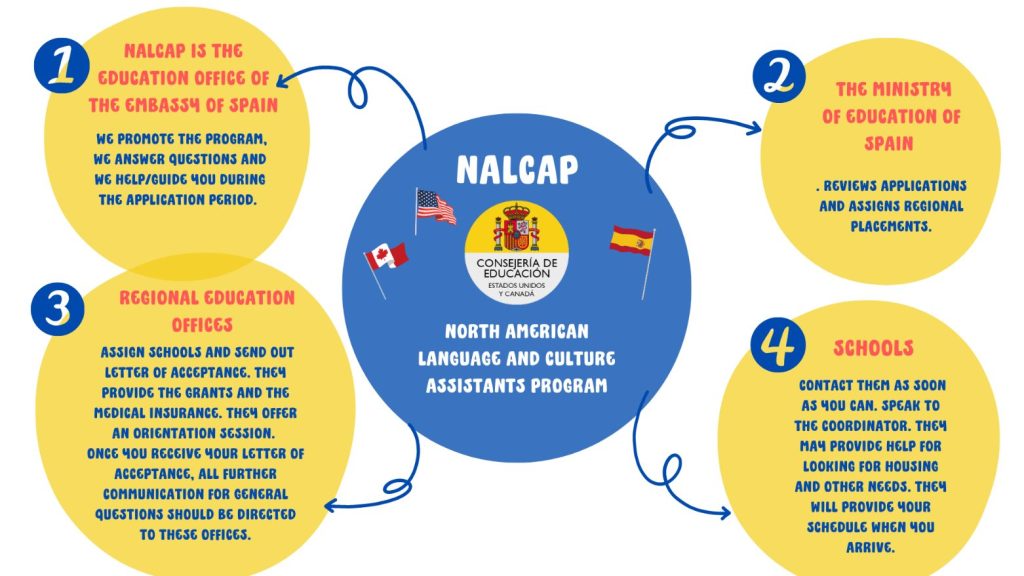
The North American Language and Culture Assistant Program (NALCAP) allows adventurous English-speaking people to immerse themselves in a new culture while sharing their native language skills. This program, often abbreviated as NALCAP, is designed for individuals from North America eager to assist in teaching English in schools across Spain.
Participants, known as language and culture assistants, work alongside experienced educators to provide language support and cultural insights to students in classrooms throughout Spain. The assistants and students benefit from a rich cultural exchange and enhanced language learning experiences through this exchange.
NALCAP opens doors to new friendships, cultural understanding, and unforgettable experiences for all involved.
What are the eligibility requirements?

Applicants must meet specific criteria to be eligible for the North American Language and Culture Assistant Program (NALCAP). While these requirements may vary slightly depending on the specific guidelines set by the program administrators, here are some standard eligibility criteria:
- Nationality: Applicants must be citizens of either the United States or Canada.
- Language Proficiency: Proficiency in English. Fluency in Spanish is not always mandatory but can be beneficial.
- Education: Many applicants must have completed at least two years of university education by the time they start the program. Some programs may specify certain fields of study or academic backgrounds.
- Age: Applicants must be between 18 and 60 at the time of application, although specific age limits can vary.
- Background Check: Applicants may need to pass a criminal background check or provide evidence of good conduct.
- Health: Some programs require applicants to be in good physical and mental health to participate.
These are general eligibility requirements, and applicants should carefully review the specific requirements outlined by the NALCAP program. Applications generally open in February and close in April, but the exact dates change yearly.
Navigating the Application Process
Navigating the NALCAP website felt like venturing into uncharted territory; despite my rusty junior high and college Spanish, I tackled the government paperwork head-on.
The entire application is in Spanish; however, there are Facebook groups that will help guide you through it. Additionally, there is a very useful handbook to help guide you through the process.
The handbook is updated every year and is instrumental in completing the application correctly.
Once I completed my application and submitted all the required documents, it was time to wait.
The waiting game was intense, waiting for my application to be accepted, my placement, and finally, my visa. However, this patience was an excellent practice I would need in Spain.
Choosing Preferences and Placement
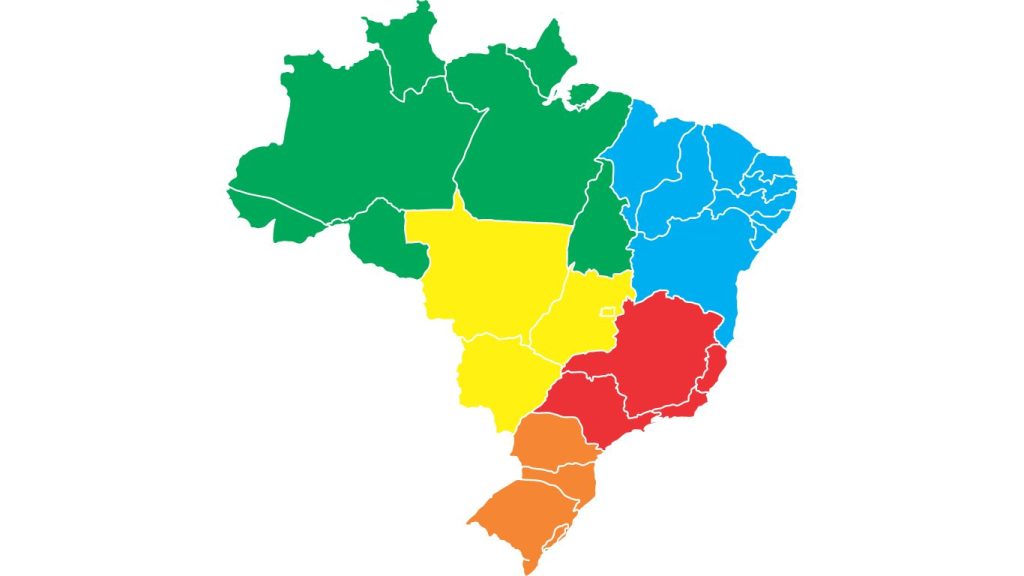
Part of the application process is choosing a school level, city size, and region.
Being an experienced elementary school teacher, you would think I would choose to teach something I am most familiar with. However, in this category, I chose “no preference” and allowed the universe to determine my path.
For city size, I chose a large city. I am adventurous, but being from a large city myself, I knew I would want the amenities a large city can offer. I chose Catalonia (Barcelona) and the Basque Country (San Sebastian and Bilbao) for the regional preferences. My third choice was Valencia, which I chose solely based on size.
Surprisingly, I was placed in Valencia, the one place I hadn’t visited before, and teaching high school! Ah, the universe!
Settling into Valencia

After receiving my placement letter and visa, I jumped on a plane and headed to my new home.
I made a reservation for a one-week stay at Senator Parque Central Hotel in central Valencia. The hotel was within walking distance of Plaza Ayuntamiento, and I got a fantastic deal on a gorgeous room.
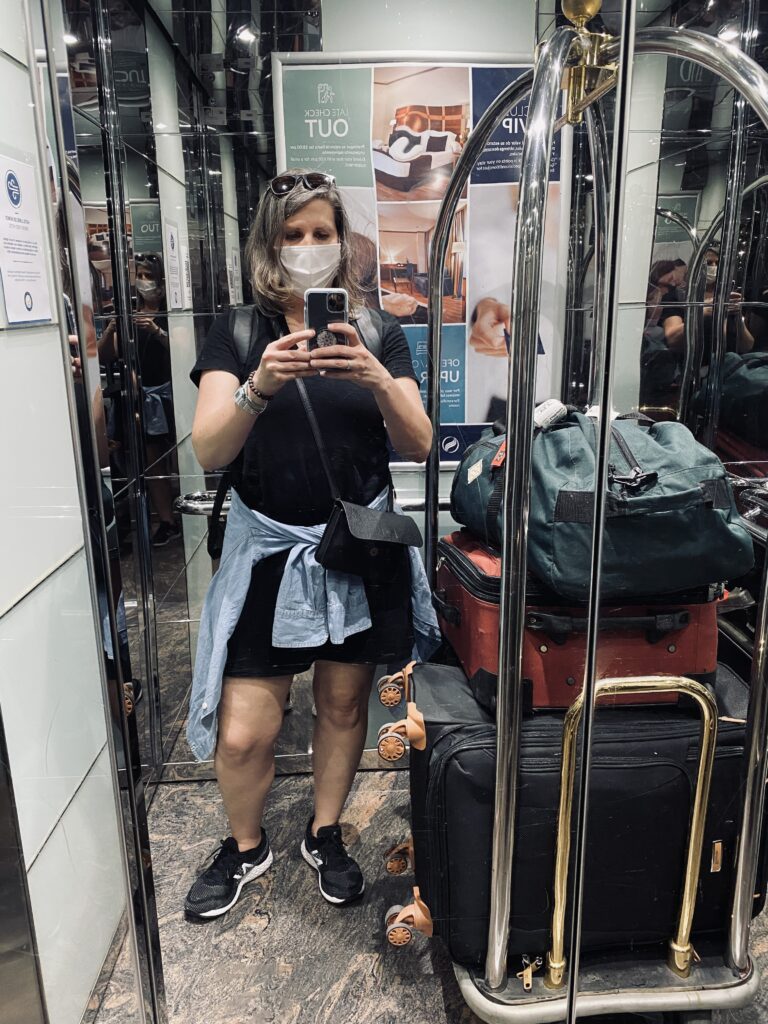
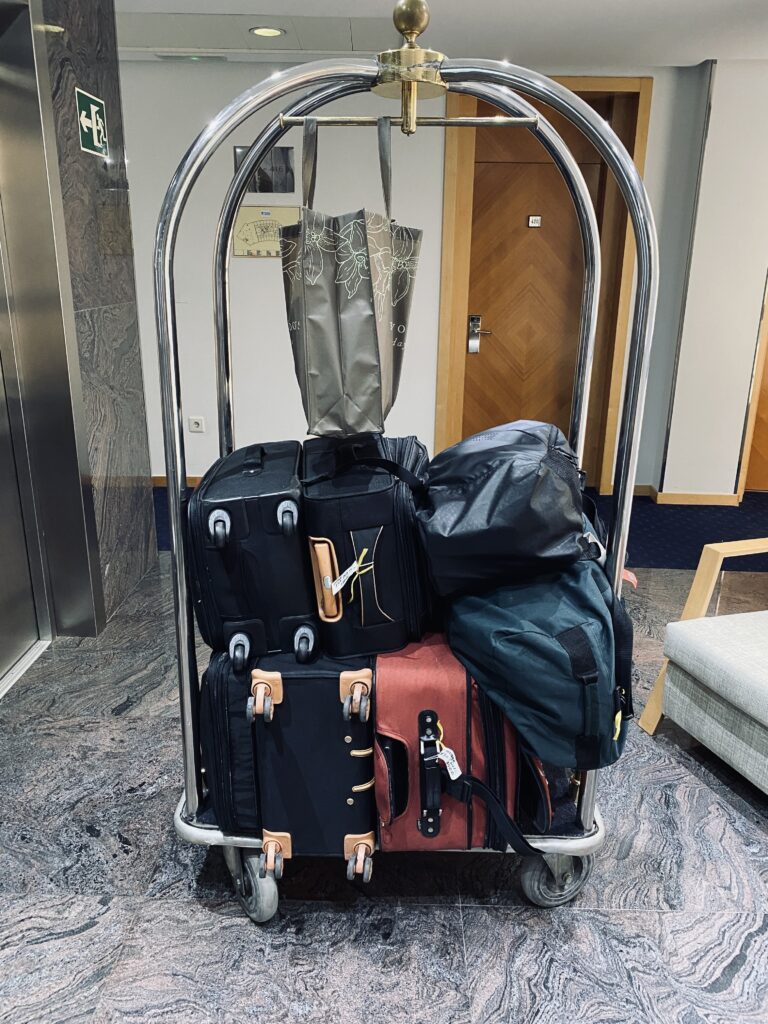
When I arrived in Valencia, I realized there were better ideas than packing everything I owned. I began the apartment hunt, exploring the city and getting a feel for my new home.
Eventually, I found a cozy studio apartment near the stunning train station and my bus stop, perfect for my daily commute.
Unfortunately, finding an apartment took me longer than a week, so I had to find another hotel. I booked a week’s stay at Hotel Conqueridor through Hotels.com and was very pleased with my stay at both hotels. The latter hotel was close to a flat that I liked, so it allowed me to check out the area before signing a lease.
Financial Stability and Work Environment

In the Valencia region, the pay for teaching is 1000 euros per month and includes free health insurance. This financial security and my savings from working full-time in America relieved any stress about money. Plus, the reasonable prices in Spain made budgeting a breeze.
With a manageable work week of 16 hours, I could focus on settling in and embracing my new surroundings. I was also able to supplement my income by teaching English online through VIPKid.
Immersion in Spanish Culture



Immersing myself in Spanish culture was a transformative experience. Adjusting to local customs, such as stores closing on Sundays and meal times shifting to later in the day, gave me a deeper appreciation for the rhythm of Spanish life.
The attitude is just so different from my home country. I enjoyed slowing down, relaxing, and having slow-paced dinners with friends, as well as walking everywhere.
Teaching Experience and Personal Growth
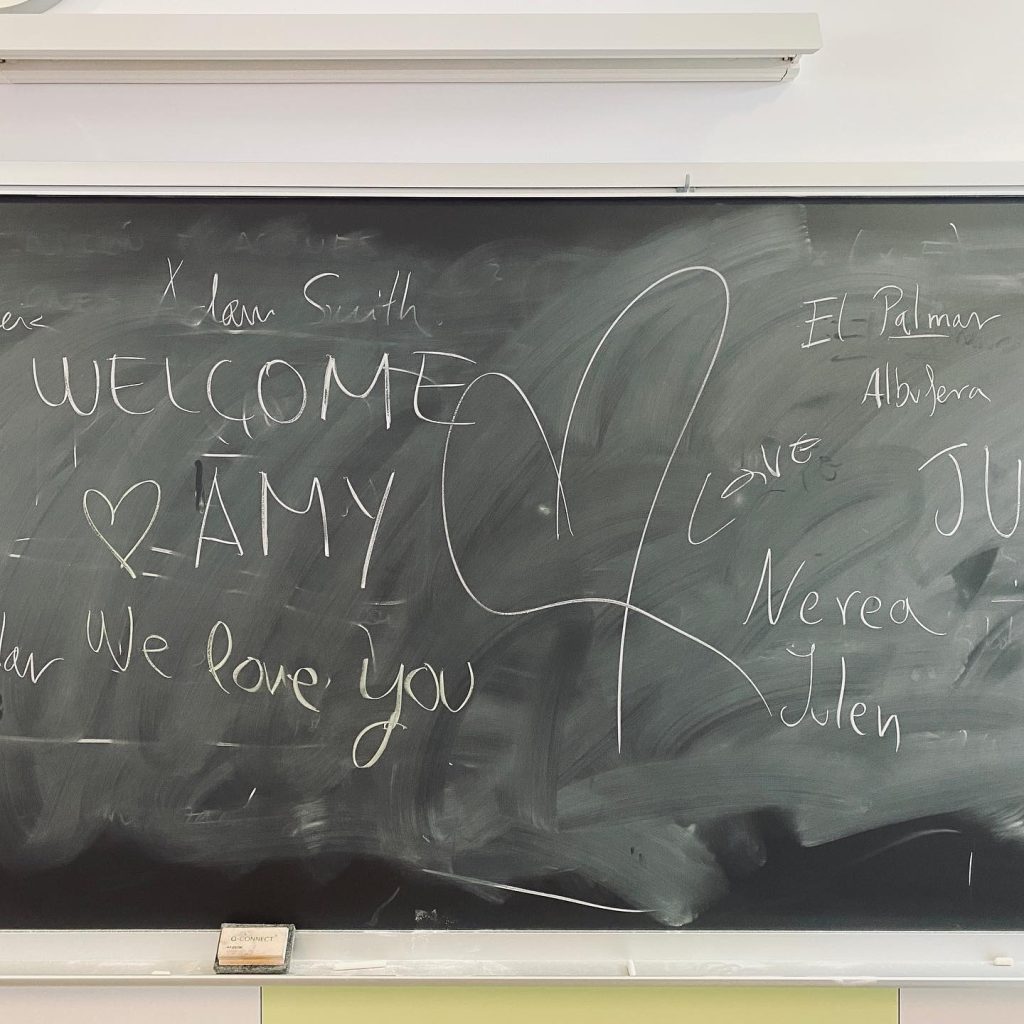
Working with high school students was a highlight of my experience.I worked 4 days per week for a total of 16 hours. Assisting in about twelve weekly classes, I witnessed the students’ shy demeanor transform into a warm engagement. Their kindness towards each other and their teachers created a supportive learning environment I’ll always cherish.
The school itself was so different from what I was accustomed to. There were no locked classroom doors, active shooter drills, fighting, or disrespect of teachers or other students. If you know, you know.
Reflecting on the Experience
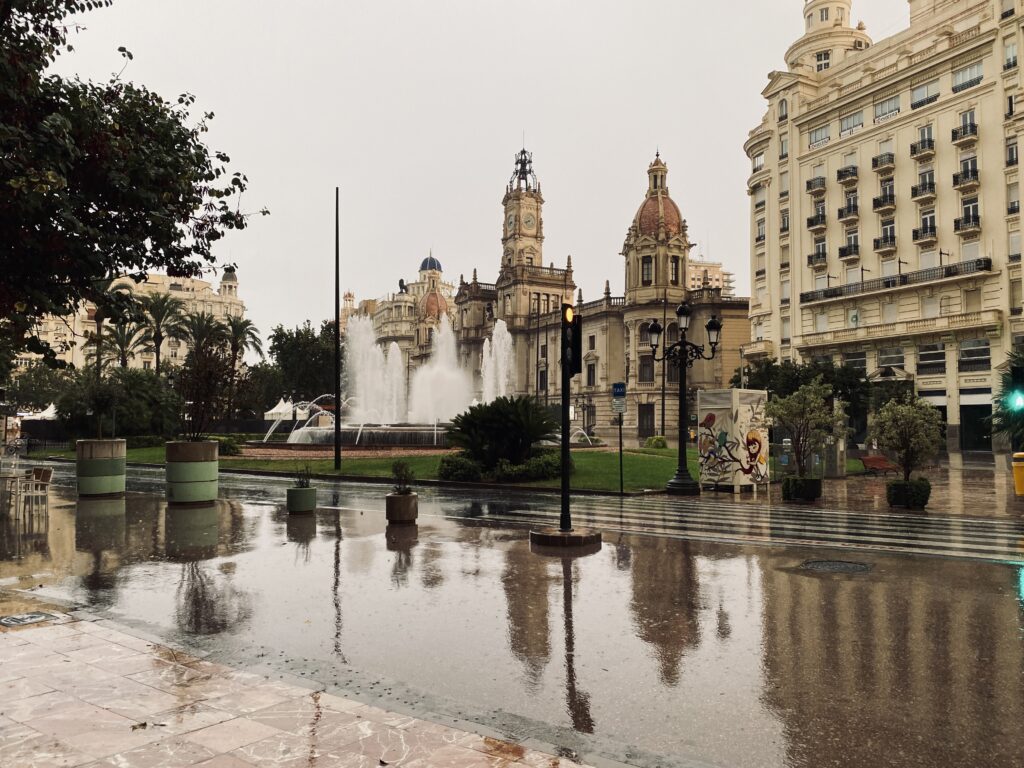
My time in Spain was a significant achievement for me. Moving to a foreign country by myself, navigating the process and public transport while wearing a mask, was a testament to my resilience and adaptability.
I would do it all again in a heartbeat, especially knowing I can reapply for the program up to four more times! Maybe this year?
Tips for Future Participants
For future NALCAP participants, I recommend using the Idealista app to hunt apartments. Additionally, embrace the cultural differences, make an effort to connect with locals and fellow participants, and maximize your language teaching experience by being creative and flexible in the classroom.
Conclusion: Embracing the Unknown
Despite the whirlwind of adjustments, I wouldn’t trade my NALCAP experience for anything. Valencia’s friendly teachers, curious students, and vibrant culture made every challenge worthwhile.
Here’s to embracing the unknown and seizing every opportunity life throws our way!
If you are even remotely interested in this experience, go for it! Life is short, and this is definitely a life-changing experience.
Just go!
